



power rolling mill
In the realm of industrial machinery, electric rolling mills mark a significant innovation with the potential to transform metal processing. These advanced machines combine state-of-the-art technology with robust engineering to enhance productivity, quality, and safety in various manufacturing sectors. As an expert in SEO and industrial equipment, this perspective will draw on real-world insights and authoritative knowledge to provide an unparalleled view of electric rolling mills. Industrial environments demand equipment that can withstand rigorous conditions while delivering precise outputs. The electric rolling mill exemplifies this requirement with its ability to perform consistent metal deformation. Unlike manual or hydraulically-powered mills, electric models offer superior precision, operational efficiency, and ease of use. Through personal industry experience, I've observed how these machines drastically reduce dependency on manual labor, thereby minimizing human error and increasing operational efficiency. Electric rolling mills operate by incorporating electric motors that drive rollers and manipulate metal sheets, bars, or beams. This technology is crucial for several industrial applications, including automotive, aerospace, and construction industries, where the quality of metal products is non-negotiable. From my professional expertise, it is evident that these advanced machines facilitate the production of uniform, high-quality metallic components that conform to stringent international standards. Specialists in metallurgy and engineering endorse electric rolling mills for their versatility and adaptability. These machines cater to diverse requirements, from adjusting roller speed to modifying temperature settings based on the metal type and desired final product. Their user-friendly interfaces allow operators to program specific tasks, significantly reducing downtime associated with manual adjustments. This adaptability makes them a valuable asset for facilities that produce a variety of metal products. The reliability of electric rolling mills also enhances their reputation in industries that demand the utmost precision. Trusted manufacturers design these machines with durable materials and integrate advanced safety features that protect operators and equipment alike. These features typically include emergency stop buttons, automatic shut-offs in case of overheating, and protective shields to guard against debris. Such safety mechanisms not only ensure compliance with regulatory standards but also foster a safer working environment. Electric rolling mill Moreover, the integration of digital technology in electric rolling mills has revolutionized process monitoring and maintenance. Real-time data analytics allow operators to track machine performance, predict maintenance needs, and rectify issues before they escalate into costly downtimes. From an authoritative standpoint, these insights empower facility managers to optimize production schedules and resource allocation, thereby enhancing overall operational performance. In terms of environmental impact, electric rolling mills present a more sustainable alternative compared to traditional models. The reduction in manual intervention and process optimization leads to considerable energy savings, aligning with growing global sustainability goals. Companies committed to environmental stewardship find adopting electric rolling mills a step in the right direction, not only cutting costs but also demonstrating corporate social responsibility. Furthermore, as the world leans towards Industry 4.0, electric rolling mills embody the future of smart manufacturing . Their compatibility with automated systems enables seamless integration into larger production networks. Facilities that leverage these synergies find themselves well-positioned to meet the evolving demands of a competitive global market. In conclusion, the adoption of electric rolling mills represents a strategic advancement in metal processing technology. Their precision, reliability, and integration with modern digital systems offer undeniable benefits that cater to the needs of contemporary industries. Drawing on authoritative insight and a commitment to innovation, manufacturers can confidently invest in electric rolling mills to achieve superior operational outcomes.

We have successfully executed over 500
projects around the world,
many first-of-their-kind
research projects and products in China, including
We have successfully executed over 500
projects around the world,
many first-of-their-kind
research projects and products in China, including
-
2004
The 1st hydraulic AGC system for hot rolling of ribbon steel
-
2006
The 1st AFC system used for 1450mm skin pass mill
-
2009
The 1st 5-stand tandem line with 2-stand POR & Uncoiler for 650mm ribbon steel
-
2012
The 1st reversing mill for 1380mm strip
-
2016
The 1st soft-rolling system used in skin pass mill
-
2019
The 1st fully automated medium-width tandem cold rolling mill
-
2021
The 1st 5000KN Twin-stand double skin pass mill
-
2022
The 1st coupled pickling line & tandem cold mill with two modes - big roller & small roller
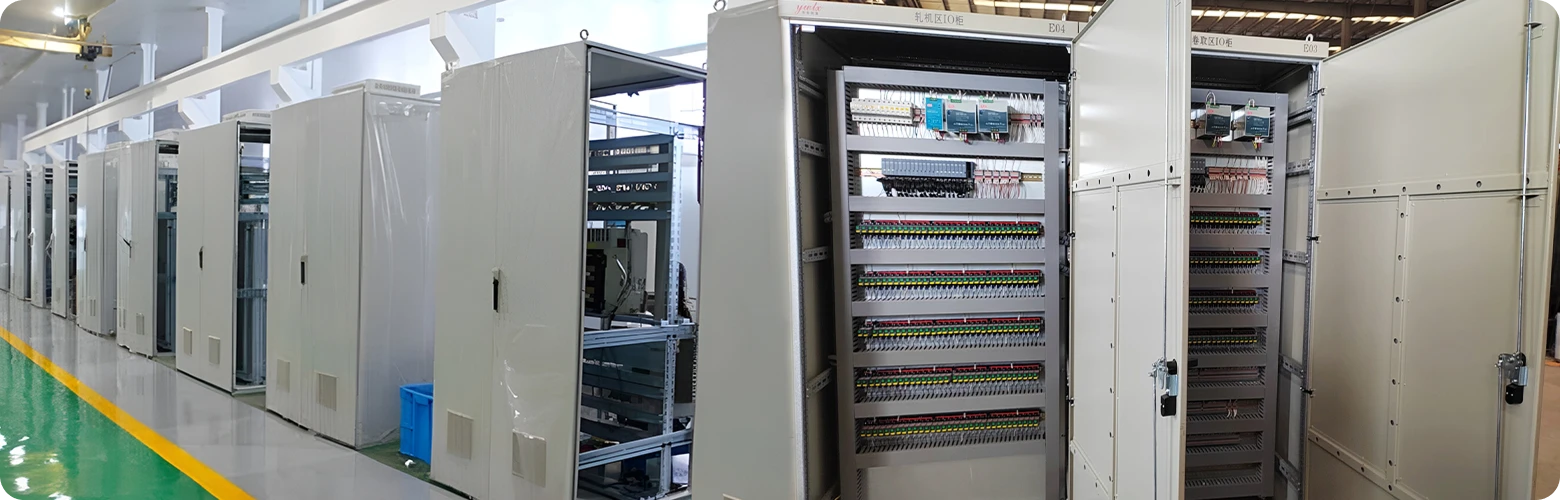
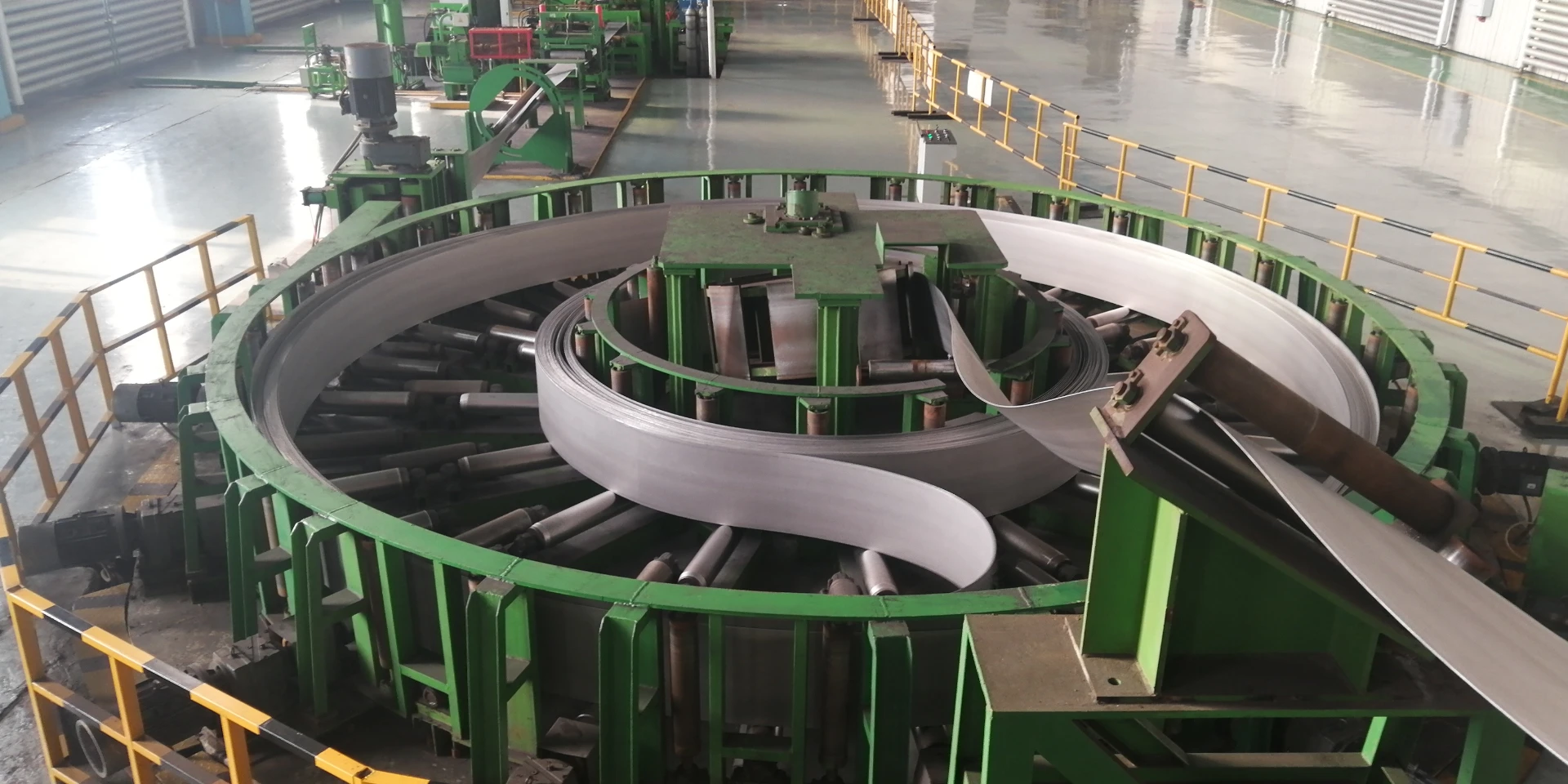
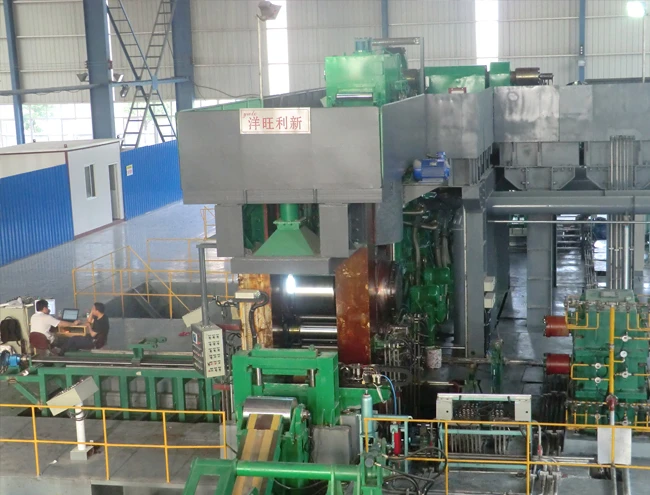

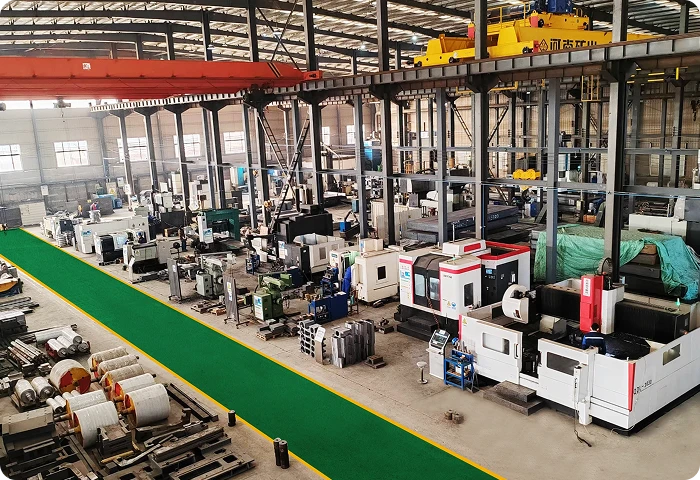
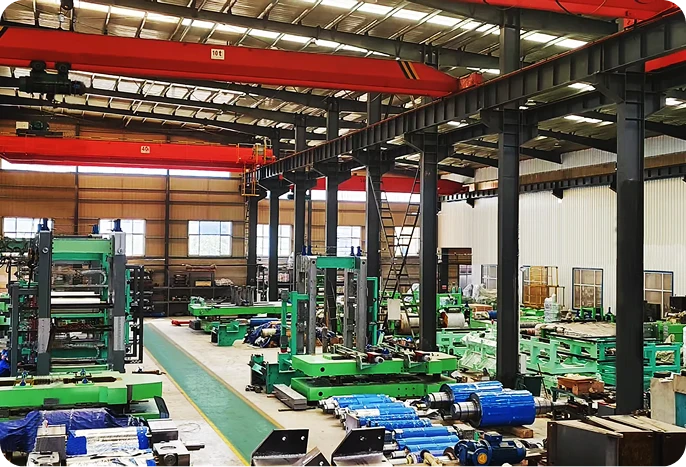
Yang Wang Li Xin operates a state-of-the-art facility over 66,000 square meters,and our manufacturing facility is fully equipped with high-tech machinery and high-capacity cranes. This enables us to handle large work pieces measuring 4.5m in width, 10m in length, and 1.5m in height, guaranteeing our capacity to produce 1800mm skin-pass mills and 1450mm rolling mills. The individual piece can weigh up to 100 tons.


Quality is fundamental to the enterprise survival. We have established a comprehensive and meticulous quality management system and have successfully obtained ISO14000 certification. Starting from the design source, it supervises the entire production cycle, including design, procurement, processing, assembly, in-factory testing, installation, and online commissioning. The workshop is equipped with measuring tools like vernier calipers, spectrometers, hardness testers, and ultrasonic flaw detectors. They are used to check materials and control tolerances to ensure the final equipment meets or exceeds requirements. All products have a unique code, This enables the easy identification and traceability of the equipment components and ensures full control of quality.


-
 Hot Rolling Mill: Key Features and Manufacturing InsightsThe hot rolling mill is a crucial piece of industrial equipment used in metal processing, enabling the transformation of raw metal into sheets, strips, or structural profiles. This process involves heating the metal above its recrystallization temperature and passing it through rollers to achieve the desired shape and thickness. Manufacturers specializing in hot strip mills and hot rolling machine
 -
Equipment Composition and Key Component Functions of a Reversible Cold Rolling MillA reversing cold rolling mill is a critical piece of equipment in metal processing, particularly for producing high-precision thin strips of steel, aluminum, and other non-ferrous metals. Unlike tandem mills, which process metal in a continuous forward motion, a reversible cold rolling mill allows the metal strip to pass back and forth between work rolls multiple times, ensuring precise thickness
-
 Temper Rolling Mill for Steel—High Flatness, Gloss, YieldTemper Rolling Mill: field notes from the shop floor If you’ve ever chased out stretcher strains or begged for a cleaner Ra on deep-draw stock, you already know why a Temper Rolling Mill matters. This line is where strip gets its final attitude—flatness, texture, and that tiny elongation that changes everything. What’s trending (and why it’s not hype) Three currents dominate: automotive-grade surf


